
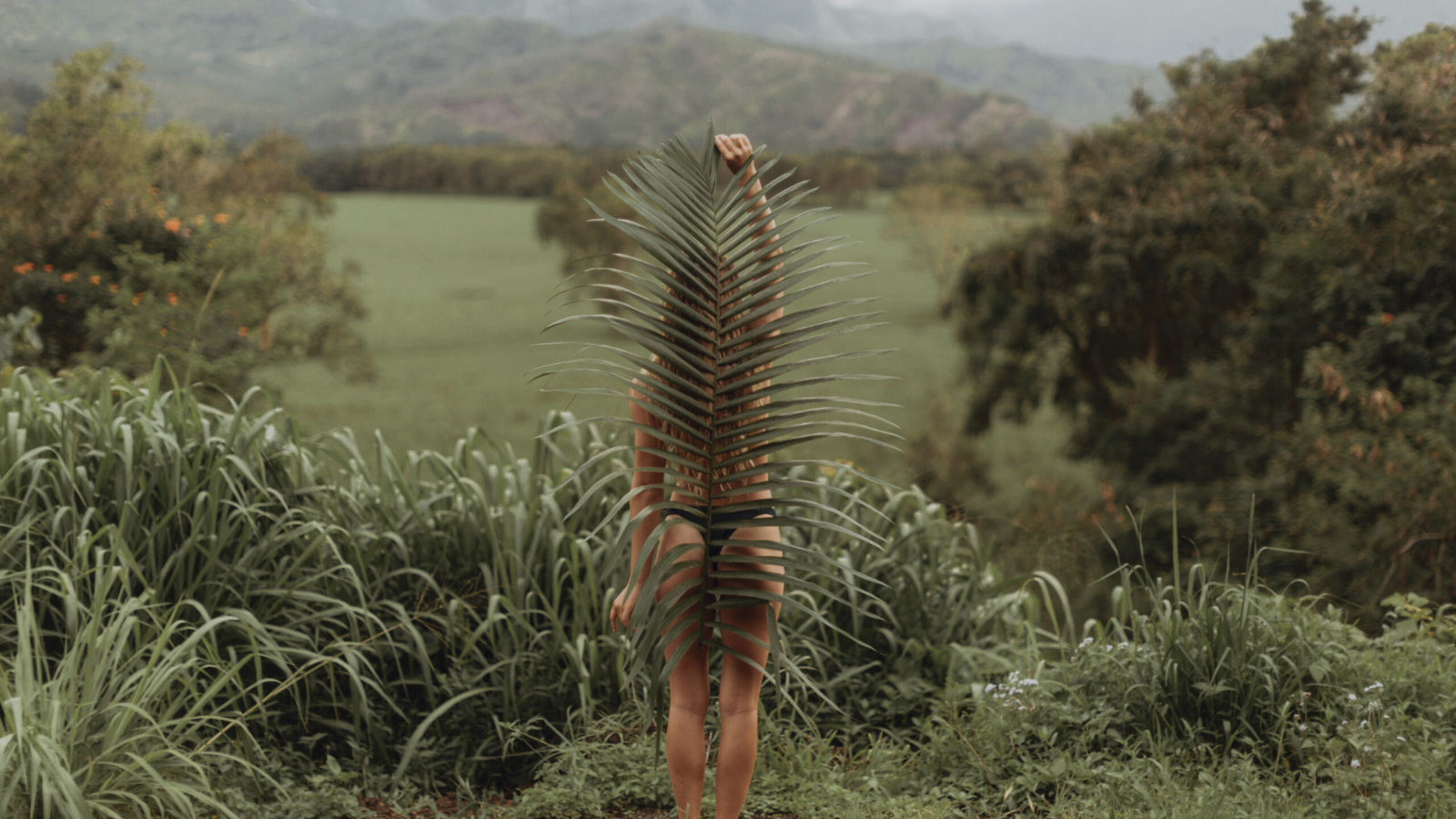
Spare a thought for the sixteenth century’s European chroniclers and missionaries who washed ashore in South America. Picture the scene: blokes raised on a staple diet of dry crusts, hair shirts, and medieval guilt rocking up in the Amazon or the Andes, expecting to find the quintessence of virtue and instead stumbling face-first into civilisations that treated the human body, desire, and a distinct lack of trousers with the exact same casual nonchalance as opening the fridge. It was the sort of collision bound to make any card-carrying son of civilisation clutch his rosary.
It was arguably the most side-splitting moral short-circuit in the entire history of exploration. But digging into this cultural head-on collision forces us to face a fundamental detail that the lazy “noble savage” myth always conveniently forgets: the colossal, yawning chasm between living according to unbridled nature and inventing that exhausting, rule-bound, and occasionally suffocating contraption we call civilisation.
Brace yourselves, because heavy-handed eco-romanticism and putting raw biology on an unearned pedestal are about to take a thoroughly stern reality check.
1. The temptation of the jungle: When nature is a rubbish line manager
Let’s take a step back. On one side, we haveindigenous populations living in a neat, fluid alignment with the earth’s cycles. Total undress, elastic relationships, a complete absence of psychological hang-ups: a continuous party for the primary instincts.
On the other side, we have the West, which at some point decided that letting oneself bedriven solely by biological impulseswas a luxury a complex society simply couldn’t afford. Because there is a rather large elephant in the room that nobody ever wants to mention: the law of nature is fundamentally anarchic, brutal, and aimed exclusively at the survival of the fittest or the most fertile.
If we had carried on mindlessly following primordial urges without boxing them in with rules, contracts, taboos, and inhibitions, we never would have invented democracy, modern medicine, cathedrals, or quantum physics. We’d simply have spent our afternoons brawling over a crust of bread and peeing on trees to mark our patch. Civilisation, like it or loathe it, was born the exact second humanity decided to slip a leash onto its own instincts and inform testosterone: “Right, sit down in the corner and shut up, because we’ve got an aqueduct to build.”
2. The Incas, civilisation, and the heavy hand of discipline
Moving up into the Andean highlands with the Incas, things took a wonderfully pragmatic and bureaucratic turn, proving once and for all that even the most highly structured pre-Columbian civilisations understood a golden rule: social energy has to be channelled.
Before committing to a formal wedding, trial unions allowed for a degree of flexibility, but this all happened inside a fiercely strict imperial and community cage. When the Spaniards rolled up, they threw a fit over the romantic fluidity, but in reality,the Inca Empire kept its monumental machinery ticking over thanks to a ruthless military discipline and an iron hierarchy that left zero room for emotional chaos. Absolute freedom is a luxury that large nations simply cannot afford if they want to avoid imploding into a heap of rubble.
3. The victory (and sentence) of reason over the biological swamp
And here we arrive at the crux of the matter: the bit that the “back to nature” brigade always conveniently sweep under the carpet. True enough: Europe built a cathedral of guilt, suppressed the human body, and turned sexuality into a suffocating criminal code. But it was precisely this chronic dissatisfaction, this eternal striving for control, this titanic struggle of reason trying to break in biology that dragged us out of the cave.
Human progress isn’t the offspring of abandoning oneself to the instincts; it’s the child of mastering them. The capacity to say no to an immediate impulse for the sake of a long-term project is precisely what separates building a civilisation from wandering about naked in the undergrowth. If we can sit here today discussing ethics, rights, philosophy, and sexology, it’s because our ancestors had the good sense to fence in the wild frenzy of the forest with the rules of the polis.
Etymological Note (from Say Sexology)
Let’s have a gander at a key term in this debate: “Civilisation” (derived from the Latin civis, meaning citizen). Being “civil” doesn’t mean being polite or wearing a tie; it literally means learning how to live in a city, which is a cramped space where one person’s freedom ends precisely where the neighbour’s nose begins. And if you want thousands of people crammed into the same block of flats without murdering each other or lunging about like randy apes, you have to invent something remarkably useful and entirely unnatural: the rule.
The long and the short of it
Why bother writing about any of this? Because our era constantly swings between two forms of hysteria: the regressive utopia of “returning to nature” (where anything instinctive is good by default) and repressive puritanism.
The truth lies somewhere in the middle, and it’s a lot more cynical: biology is the engine under the bonnet, but reason and rules are the brakes and the steering wheel. If you let go of the steering wheel entirely just to admire the natural scenery, you’re heading straight into a ditch. And the next time you find yourself groaning about the stifling rules of civil society, just remember the alternative is the jungle: lovely and green, but thoroughly unsuited to anyone who fancies enjoying life with a cracking book in one hand and a roof over their head.